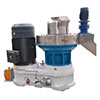
In the biomass industry, maintaining stable production is one of the most important factors affecting profitability. Whether operating a small facility or a large-scale wood pellet production line, equipment performance directly impacts output quality, operating costs, and customer satisfaction. Among all machines in the process, the pellet mill plays a critical role, making preventive maintenance an essential part of daily operations.
Many pellet manufacturers focus heavily on production targets but overlook routine equipment care. While a pellet mill can operate continuously for extended periods, neglecting inspections and servicing often leads to unexpected downtime, expensive repairs, and reduced pellet quality. A well-planned maintenance strategy helps businesses avoid these issues while extending the lifespan of equipment.
One of the primary benefits of preventive pellet mill maintenance is improved production efficiency. Components such as rollers, dies, bearings, and transmission systems experience constant wear during operation. Regular inspections allow operators to identify minor issues before they become serious mechanical failures. Replacing worn components at the right time can prevent production interruptions and maintain stable pellet output.
Another important advantage is lower operating costs. Unplanned pellet mill repair can require emergency parts replacement, production shutdowns, and additional labor expenses. In contrast, scheduled maintenance enables manufacturers to manage service activities more effectively and reduce unexpected expenditures. Over time, the savings generated through preventive maintenance often exceed the cost of routine servicing programs.
Pellet quality is also closely linked to machine condition. A damaged die or worn roller can lead to inconsistent pellet density, increased fines, and lower product quality. These issues may affect customer satisfaction and market competitiveness. By implementing regular pellet plant servicing procedures, manufacturers can maintain consistent product standards and improve overall production performance.
Lubrication management is another key aspect of maintenance. Proper lubrication minimizes friction between moving parts and reduces excessive wear. Operators should follow manufacturer recommendations regarding lubrication intervals and lubricant specifications. Maintaining correct lubrication levels contributes significantly to the long-term reliability of pellet production equipment.
In addition to mechanical inspections, cleaning should never be ignored. Accumulated dust and raw material residue can increase equipment stress and create safety concerns. Routine cleaning helps improve airflow, reduce contamination risks, and ensure smooth machine operation. Facilities that prioritize cleanliness often experience fewer maintenance-related problems over time.
Modern production facilities are increasingly adopting predictive maintenance practices. By monitoring vibration levels, operating temperatures, and equipment performance data, plant managers can detect potential faults before they cause failures. This proactive approach helps maximize equipment availability and optimize maintenance schedules.
For companies investing in a wood granulator machine or a complete pellet production line, maintenance should be considered part of the overall business strategy rather than a reactive task. Reliable equipment operation supports higher productivity, protects capital investments, and strengthens long-term competitiveness in the growing biomass market.
In conclusion, preventive maintenance is not merely about avoiding breakdowns. It is a practical approach to improving production efficiency, controlling costs, maintaining pellet quality, and extending equipment life. Businesses that implement comprehensive pellet mill maintenance programs are better positioned to achieve sustainable growth and consistent operational success.