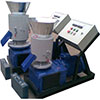
In the biomass and wood pellet industry, maintaining equipment performance is essential for ensuring high productivity and consistent pellet quality. Proper pellet mill maintenance and professional pellet plant servicing play a crucial role in reducing downtime, extending machine lifespan, and maximizing production efficiency.
A pellet mill is the core machine in any pellet production line. During continuous operation, components such as rollers, dies, bearings, and transmission systems experience natural wear and tear. Without regular pellet mill maintenance, these parts may fail unexpectedly, leading to costly production interruptions and repair expenses. Routine inspections help identify potential issues before they become major problems.
One of the most important aspects of pellet mill maintenance is checking the condition of the pellet die and rollers. Worn dies can significantly reduce pellet quality and output capacity, while damaged rollers may increase energy consumption. Regular cleaning, lubrication, and replacement of worn parts can ensure stable operation and improve overall production performance.
In addition to maintaining the pellet mill itself, comprehensive pellet plant servicing is equally important. A pellet plant consists of multiple interconnected systems, including crushers, dryers, conveyors, pellet mills, coolers, and packaging equipment. If any component fails, the entire production line may be affected. Therefore, scheduled pellet plant servicing helps maintain smooth coordination between different machines and minimizes the risk of unexpected breakdowns.
Professional pellet plant servicing also includes electrical system inspections, motor testing, belt alignment checks, and safety evaluations. These preventive measures help operators maintain optimal operating conditions while reducing maintenance costs over the long term. A well-serviced pellet plant can achieve higher efficiency, lower energy consumption, and increased profitability.
Another benefit of regular pellet mill maintenance is improved product consistency. High-quality biomass pellets require precise compression and uniform moisture content. Properly maintained equipment ensures consistent pellet density, size, and durability, meeting market standards and customer expectations.
For industrial pellet producers, investing in routine pellet plant servicing is not only a maintenance strategy but also a business decision. Preventive maintenance can significantly reduce production losses caused by equipment failure and improve return on investment. Many successful pellet manufacturers implement scheduled service plans to keep their operations running efficiently throughout the year.
In conclusion, effective pellet mill maintenance and comprehensive pellet plant servicing are essential for reliable pellet production. Regular inspections, timely replacement of wear parts, and professional servicing can help pellet plants achieve greater productivity, lower operating costs, and longer equipment life. By prioritizing maintenance, manufacturers can ensure stable operations and maintain a competitive advantage in the growing biomass pellet industry.