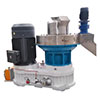
Pellet mills play an important role in biomass energy production, animal feed manufacturing, and wood pellet processing. However, continuous operation can cause wear, mechanical faults, and reduced production efficiency. Regular pellet mill maintenance helps manufacturers maintain stable output, reduce unexpected downtime, and extend equipment service life.
Whether you operate a small wood pellet workshop or a large industrial pellet plant, understanding maintenance procedures and common repair requirements is essential for long-term production efficiency.
1. Why Is Pellet Mill Maintenance Important?
A pellet mill operates under high pressure and friction. Over time, key components such as dies, rollers, bearings, gears, and drive belts may wear out or require adjustment.
Without proper maintenance, a machine may experience lower production capacity, inconsistent pellet quality, higher energy consumption, and unexpected shutdowns.
A practical preventative maintenance pellet mill program helps identify potential problems before they develop into expensive mechanical failures. Operators should follow the manufacturer's maintenance instructions and maintain records of operating hours, lubrication, inspections, and replacement parts.
2. Common Pellet Mill Repair Problems
Understanding common faults makes troubleshooting more efficient. Several issues frequently occur during biomass pellet production.
Low production capacity: Worn dies and rollers, unsuitable raw material moisture, blocked die holes, or incorrect roller clearance may reduce output.
Poor pellet quality: Loose adjustment, inconsistent material preparation, and unsuitable die compression ratios can result in weak pellets, excessive fines, or irregular shapes.
Unusual noise or vibration: Damaged bearings, loose fasteners, misalignment, or foreign materials entering the machine may cause abnormal operating conditions.
Motor overload: Excessive feeding, unsuitable material conditions, or mechanical resistance can increase motor load.
Effective pellet mill repair begins with identifying the root cause rather than simply replacing parts. Always stop the machine, isolate its power supply, and follow the relevant safety procedures before inspection or repair.
3. Preventative Maintenance for Wood Pellet Mills
A consistent maintenance routine can improve equipment reliability and reduce avoidable production interruptions.
Daily inspections should include checking for abnormal noise, vibration, material leakage, loose fasteners, and visible damage. Operators should also verify lubrication conditions and inspect the die and roller assembly.
Weekly or periodic inspections should cover roller wear, die-hole blockage, belt tension, bearing condition, gearbox oil level, and the condition of feeding and conveying components.
More comprehensive inspections should be scheduled according to operating hours, equipment design, working conditions, and manufacturer recommendations.
Proper lubrication is particularly important. Both insufficient lubrication and excessive lubrication can cause problems. Use the specified lubricant and follow the recommended lubrication intervals.
For long-term storage, clean the machine, protect exposed metal surfaces against corrosion, and keep the equipment in a dry environment.
4. Pellet Plant Spare Parts: What Should You Keep in Stock?
A shortage of critical components can interrupt production while replacement parts are being sourced and delivered. Maintaining a suitable inventory of pellet plant spare parts helps reduce this risk.
Common spare parts include:
Ring dies and flat dies
Press rollers and roller shells
Bearings and seals
Drive belts, chains, and couplings
Feeding system components
Screens, cutting tools, and selected fasteners
The appropriate inventory depends on machine type, production capacity, raw material characteristics, and equipment usage.
When ordering replacement parts, provide the machine model, component dimensions, drawings or photographs, and the type of material being processed. These details help suppliers identify compatible parts and reduce ordering errors.
5. Pellet Plant Servicing and Service Contracts
Professional pellet plant servicing can help businesses maintain production equipment throughout its operating life. Depending on the plant's requirements, servicing may include mechanical inspection, fault diagnosis, component replacement, lubrication checks, and performance evaluation.
For facilities operating continuously, pellet mill service contracts may provide a structured approach to scheduled inspections, technical support, and spare parts planning.
Before entering a service agreement, clarify the scope of work, response times, included replacement parts, labour costs, and responsibilities for emergency repairs.
For international customers, remote technical support can also be useful. Sharing photographs, videos, machine parameters, and fault descriptions may help technicians identify possible causes before recommending further action.
6. How to Improve Pellet Mill Performance
Pellet mill optimisation involves more than increasing the machine's feeding rate. Reliable performance depends on matching equipment settings with raw material characteristics and production requirements.
Start by checking raw material size and moisture content. Different biomass materials require different preparation conditions. Wood sawdust, agricultural residues, and other feedstocks may need different die specifications and operating adjustments.
Next, evaluate die compression ratio, roller condition, feeding consistency, and motor load according to the machine manufacturer's recommendations.
Record production output, electricity consumption, pellet quality, and maintenance history. Comparing these indicators over time can reveal developing problems and opportunities to improve efficiency.
Selecting the right wood granulator machine for the intended material and production capacity is equally important. A properly matched machine can help reduce unnecessary mechanical stress and support consistent pellet production.
7. Choose Reliable Pellet Mill Equipment and Technical Support
Reliable production depends on suitable machinery, correct installation, operator training, and a practical maintenance plan. Businesses planning a new biomass pellet production line should evaluate equipment capacity, raw material requirements, spare parts availability, and after-sales technical support.
At Granulatorr, we focus on pellet-making machinery and related equipment for biomass processing applications. Whether you are selecting a new wood pellet machine, sourcing replacement components, or improving an existing production process, choosing equipment that matches your actual operating conditions is an important first step.
Need help selecting a wood pellet machine or replacement parts? Contact our team with your raw material type, required production capacity, and equipment specifications to discuss a suitable solution.