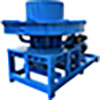
In the modern era of waste management and renewable energy, efficient processing of municipal solid waste (MSW) is more critical than ever. Landfills are reaching capacity, and environmental regulations are tightening globally. Enter the integrated machine for RDF (Refuse-Derived Fuel) molding and biomass pelletizing—a groundbreaking technological solution designed to transform discarded waste into high-value, eco-friendly energy sources.
What is an RDF and Biomass Integrated Pellet Machine?
This specialized industrial equipment is engineered to combine two critical recycling processes into a single, seamless operation:
RDF Molding: Compressing pre-sorted municipal solid waste (plastics, paper, textiles, and other combustible materials) into high-density Refuse-Derived Fuel.
Biomass Pelletizing: Converting agricultural and forestry residues (wood chips, straw, sawdust) into uniform, high-energy biomass pellets.
By integrating these functions, waste treatment plants and recycling facilities can maximize operational efficiency while minimizing equipment footprint and capital investment.
Key Advantages of the Integrated Machine
Dual-Purpose Flexibility: Facilities can switch between or simultaneously process municipal solid waste derivatives and biomass materials, adapting easily to fluctuating material supplies.
High Energy Output: The high-pressure molding mechanism removes moisture and air, producing dense pellets with high calorific value and slow, clean combustion properties.
Cost Efficiency: Combining two machines into one significantly reduces initial equipment purchasing costs, facility space requirements, and ongoing maintenance overhead.
Environmental Sustainability: This technology diverts massive volumes of waste from landfills, reduces greenhouse gas emissions, and provides a sustainable coal alternative for industrial boilers and power plants.
Core Applications in Municipal Waste Treatment
Modern waste-to-energy plants utilize this integrated molding and pelletizing technology to handle complex urban waste streams. Once metals, glass, and inert materials are separated from municipal solid waste, the remaining organic and combustible fraction is shredded, dried, and fed into the pelletizer.
The resulting RDF and biomass pellets are widely utilized in:
Cement Kilns: Providing a reliable, high-heat alternative fuel source.
Power Generation Plants: Co-firing with coal to reduce carbon footprints.
Industrial Heating: Powering boilers in manufacturing and textile facilities.
Conclusion
Investing in an integrated machine for RDF molding and biomass pelletizing is a strategic move for municipal solid waste treatment facilities aiming for zero-waste goals and circular economy participation. By turning troublesome urban trash and agricultural waste into clean, transportable energy pellets, businesses can achieve strong economic returns while protecting the environment.
Are you looking to upgrade your waste treatment facility with advanced RDF and biomass pelletizing technology? Contact our engineering team today for a customized solution and equipment quote!