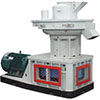
In the biomass processing and wood pellet industry, maintaining continuous operational efficiency is crucial for profitability
In this guide, we will explore key strategies for maintaining your equipment, lowering your cost per tonne pellet production, and avoiding costly pellet mill repair scenarios
1. Why Preventative Maintenance Matters for Your Pellet Mill
Running a biomass pellet line puts tremendous mechanical stress on key components like die rings, press rollers, bearings, and main shafts. Relying on reactive repairs—fixing breakdown issues only after they occur—results in unscheduled downtime, lost production capacity, and higher replacement costs
Establishing a preventative maintenance pellet mill strategy offers several key benefits
Extended Machinery Lifespan: Regular lubrication, alignment checks, and die inspection prevent premature failure of high-cost components
. Consistent Pellet Quality: Well-maintained rollers and dies ensure uniform compression, density, and appearance in the final product
. Lower Operating Expenses: Reducing mechanical friction directly cuts energy consumption and lowers the overall cost per tonne pellet production
.
2. Key Maintenance Tasks for Your Wood Granulator Machine
To keep your wood granulator machine running smoothly, your routine maintenance checklist should cover three primary frequency tiers
Daily Checks
Lubrication: Check roller bearing and main shaft grease points at scheduled intervals using high-temperature, extreme-pressure grease.
Cleaning: Clear residual raw materials from the pelletizing chamber to avoid hardened blockages.
Temperature Monitoring: Track bearing temperatures to detect early signs of friction or misalignment.
Weekly to Monthly Checks
Die and Roller Inspection: Check the wear pattern on the ring die and adjust the gap between the press roller and the die face.
Drive System: Check belt tension, gear oil quality, and drive motor connections to ensure smooth power transmission.
Periodic Overhauls
Inspect major wear parts, replace worn seals, check gear box oil levels, and recalibrate precision components.
3. The Value of Professional Pellet Mill Service Contracts
While daily maintenance can be handled by in-house operators, comprehensive plant inspections often require specialized expertise
Professional pellet plant servicing brings several distinct advantages
Expert Diagnostics: Certified technicians can identify microscopic alignment errors or bearing wear before catastrophic failures occur
. Customized Spare Parts Inventories: Service partners help you maintain optimal stock levels for high-wear parts like die rings, rollers, and wear plates
. Emergency Support: Dedicated contracts prioritize emergency technical assistance, minimizing downtime when urgent pellet mill repair is needed
.
4. Operational Considerations Beyond Wood: Bamboo Pellets
As the industry expands into alternative raw materials like agricultural residues and non-wood biomass, process optimization becomes even more important. For instance, investors evaluating a bamboo pellets manufacturing plant cost must factor in material-specific wear characteristics
Bamboo fibers are exceptionally tough and abrasive compared to standard softwood. Processing bamboo requires specialized die compression ratios, reinforced rollers, and more frequent maintenance schedules
Conclusion
Proactive maintenance is not an expense—it is an investment in long-term profitability. By combining routine in-house checks for your wood granulator machine with structured preventative maintenance pellet mill routines and professional pellet mill service contracts, you can significantly reduce emergency pellet mill repair costs, extend machinery service life, and achieve an optimal cost per tonne pellet production