With the global surge in demand for renewable energy and eco-friendly fuels, biomass pellet production has become one of the most lucrative ventures in the green energy sector. Bamboo, known for its rapid growth rate, high calorific value, and abundant availability, serves as an exceptional raw material for biomass energy. Consequently, setting up a specialized production line has attracted global investors. However, understanding the factors that dictate the complete bamboo pellet manufacturing plant price is essential before making a capital investment.
Key Components Influencing the Overall Price
A complete pellet processing facility is not just a single unit; it consists of an integrated sequence of industrial machines. The total plant investment depends heavily on the production capacity, level of automation, and component specifications.
Size Reduction & Crushing Equipment
Raw bamboo culms are large and fibrous. A heavy-duty bamboo crusher or specialized wood granulator machine is required to break down stalks and branches into fine powder or sawdust suitable for granulation. High-capacity crushers add to initial costs but significantly optimize processing speed.
Drying System
Fresh bamboo contains high moisture levels (often above 40%). A rotary drum dryer is necessary to reduce moisture content down to the optimal 10–15% threshold for pressing.
Pelletization Unit (Core Machine)
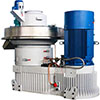
The heart of the facility is the pellet mill (often utilizing ring-die or flat-die technology). Industrial-grade wood granulator machine systems engineered for tough fibers like bamboo require high wear-resistance alloy dies and rollers, directly impacting equipment pricing.
Cooling and Packaging System
Newly pressed pellets leave the die at high temperatures ($70^circ ext{C}$–$90^circ ext{C}$). Counterflow coolers lower temperatures efficiently before automated packing machines bag the product for commercial distribution.
Estimated Cost Breakdown by Production Capacity
| Plant Capacity | Target Application | Estimated Cost Range (USD) | Key Features |
| Small-Scale (0.5 – 1 Ton/Hour) | Farms, local commercial supply | $20,000 - $50,000 | Semi-automated, basic drying, compact footprint |
| Medium-Scale (2 – 5 Tons/Hour) | Regional industrial biomass supply | $80,000 - $220,000 | Fully automated crushing, drying, multi-mill setup |
| Large-Scale (6+ Tons/Hour) | Export-grade fuel pellet manufacturing | $300,000 - $700,000+ | Continuous operation, high-efficiency dust collection, automated bagging |
Primary Factors Affecting Your Investment
- Raw Material Characteristics: Bamboo's high silica and fiber density require reinforced alloy components inside the wood granulator machine to resist friction wear, slightly raising machinery baseline prices compared to softwoods.
- Level of Automation: Fully automatic plants equipped with centralized PLC control panels reduce labor overhead significantly, though they carry higher upfront equipment costs.
- Auxiliary Equipment: Dust extraction systems, belt conveyors, electric control cabinets, and environmental scrubbers add necessary operational stability and compliance features to the overall quote.
Understanding the complete bamboo pellet manufacturing plant price requires evaluating your target hourly output, local bamboo supply, and long-term operating costs. Investing in durable crushing and granulating equipment ensures low maintenance overhead and high operational efficiency for continuous biomass production.