Introduction
As winter approaches, heating costs remain a major concern for households, farms, and small businesses across Europe. Rising energy prices, unpredictable natural gas costs, and growing interest in renewable energy have encouraged more people to explore alternative heating solutions. One option attracting attention is the combination of a wood pellet stove and a small pellet mill.
But can producing your own wood pellets and using them for heating really reduce winter energy expenses? The answer depends on the availability of raw materials, equipment investment, electricity costs, and local fuel prices. For households and small businesses with access to affordable biomass, this combination can offer potential long-term savings and greater energy independence.
1. Why Are Wood Pellet Stoves Popular in Europe?
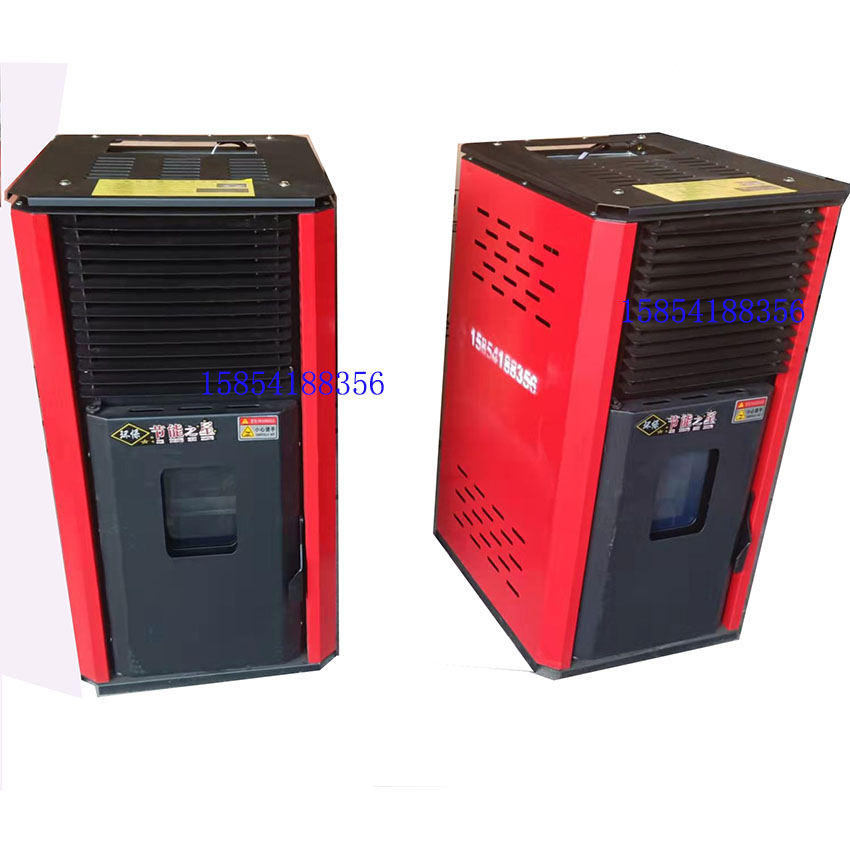
Wood pellet stoves are widely used in many European countries because they provide efficient, convenient, and relatively clean heating when operated correctly. Countries such as Germany, France, Italy, Austria, and Poland have established markets for biomass heating equipment.
Compared with traditional firewood stoves, modern pellet stoves generally offer more precise temperature control, automatic fuel feeding, and programmable heating schedules. Their compact design also makes them suitable for residential homes, workshops, small commercial buildings, and rural properties.
Wood pellets are manufactured from compressed biomass materials, including sawdust, wood shavings, and certain types of agricultural residues. Their relatively consistent size and moisture content allow compatible pellet stoves to burn fuel efficiently.
However, the actual heating performance depends on the stove model, pellet quality, installation, and maintenance. Consumers should always select appliances that meet applicable European safety and emissions requirements.
2. How Can a Small Pellet Mill Reduce Heating Costs?
A small pellet mill allows users to manufacture biomass pellets from suitable raw materials instead of purchasing all their fuel from commercial suppliers.
For example, woodworking workshops, sawmills, furniture manufacturers, farms, and rural property owners may have access to sawdust, wood shavings, or other suitable biomass residues. With the right equipment and preparation process, these materials can become a useful heating fuel.
A typical small-scale wood pellet production process includes the following steps:
Raw material collection: Collect suitable sawdust, wood shavings, or other approved biomass materials.
Drying: Reduce moisture content to a level appropriate for the pellet mill and intended fuel application.
Size reduction: Use a wood crusher or hammer mill if the material is too coarse.
Pelletizing: Feed the prepared material into a small wood pellet machine to produce compressed pellets.
Cooling and storage: Allow hot pellets to cool and store them in a dry, protected environment.
By using locally available residues, users may reduce fuel purchasing expenses and make better use of materials that would otherwise have limited value.
Nevertheless, a small pellet mill is not automatically economical for every household. Raw materials must be affordable, suitable, and available in sufficient quantities. Drying, electricity, labor, maintenance, and equipment depreciation must also be included in the total production cost.
3. Comparing Homemade Wood Pellets with Purchased Pellets
The economic advantage of producing your own wood pellets depends mainly on the difference between commercial pellet prices and your actual production costs.
Consider a simplified example. A household uses three tonnes of pellets during winter, and purchased pellets cost €300 per tonne. Its seasonal fuel expenditure would be €900.
Suppose locally produced pellets cost €180 per tonne after accounting for raw materials, electricity, drying, labor, maintenance, and equipment depreciation. Producing three tonnes would cost €540, giving a potential saving of €360 per winter.
These figures are illustrative rather than current market quotations. Actual costs vary significantly by country, raw material source, production scale, and equipment efficiency.
The calculation also assumes that the homemade pellets are suitable for the selected stove. Poorly manufactured pellets may produce excessive ash, cause feeding problems, reduce combustion efficiency, or damage equipment.
A further consideration is the initial investment in a small pellet mill, dryer, crusher, and other necessary equipment. If the annual savings are small, purchasing commercial pellets may remain the more economical option.
4. Which European Users Can Benefit Most?
The combination of a wood pellet stove and a small pellet mill is particularly attractive to users who already have access to biomass residues.
Woodworking businesses: Furniture factories, carpentry workshops, and sawmills can potentially convert clean wood-processing residues into heating fuel.
Farms and rural households: Agricultural businesses may have access to suitable biomass resources and sufficient space for small-scale pellet production and storage.
Small workshops and commercial buildings: Businesses with consistent heating demand may benefit from producing fuel locally, especially when commercial pellets are expensive.
Small biomass entrepreneurs: Producing pellets for personal use or local customers may create an additional revenue opportunity, provided local regulations and the business economics support it.
For ordinary urban households without free or inexpensive raw materials, a small pellet mill may not deliver sufficient savings to justify its purchase.
5. Choosing the Right Small Wood Pellet Machine
Selecting the correct wood pellet machine is essential for achieving reliable production and acceptable fuel quality.
First, consider the type and moisture content of your raw materials. Dry sawdust may require less preparation than wet wood waste, which can significantly increase production costs.
Second, match the machine's actual output to your expected fuel consumption. A small pellet mill should produce enough pellets to meet your heating needs without excessive idle capacity or unnecessary electricity consumption.
Third, evaluate the machine's motor power, die design, spare parts availability, maintenance requirements, and ease of operation. For European buyers, reliable technical support and access to replacement components are also important considerations.
Finally, ensure that the finished pellets meet the fuel requirements of your stove. Where applicable, ENplus-certified commercial pellets provide a useful quality benchmark, although homemade pellets should not be assumed to meet that certification automatically.
6. Environmental and Practical Considerations
Using locally sourced biomass can reduce transportation requirements and make productive use of suitable wood residues. However, pellet production and combustion still consume energy and generate emissions.
The environmental benefits depend on the origin of the biomass, production methods, transport distances, and combustion performance. Sustainable sourcing, appropriate moisture control, efficient equipment, and regular stove maintenance are essential.
European households should also check local rules concerning biomass heating, particulate emissions, appliance installation, and the use of self-produced fuel.
Storage is another important factor. Pellets must be protected from moisture to prevent swelling, disintegration, and reduced combustion quality. Adequate ventilation and safe storage practices are necessary, particularly in larger storage areas.
Conclusion
Can wood pellet stoves combined with small pellet mills reduce heating costs in Europe during winter? Yes, potentially—especially for households, farms, and businesses with a reliable supply of affordable biomass residues and substantial heating demand.
The greatest savings are likely to come from reducing raw material costs rather than simply purchasing a pellet mill. Before investing, calculate the complete cost of pellet production, including drying, electricity, labor, maintenance, and equipment depreciation.
For suitable users, a small wood pellet production system can provide a practical way to turn biomass waste into useful heating fuel while improving control over winter energy expenses. For others, buying high-quality commercial wood pellets may remain the simpler and more cost-effective choice.
Considering a small wood pellet machine for your heating needs? Compare production capacity, raw material requirements, energy consumption, and maintenance costs before choosing equipment that matches your local conditions.
SEO Meta Description: Discover how wood pellet stoves and small pellet mills could reduce winter heating costs in Europe. Explore fuel savings, production costs, equipment selection, and biomass heating benefits.
Target Keywords: wood pellet stoves, small pellet mill, wood pellet machine, reduce heating costs in Europe, biomass heating, homemade wood pellets