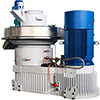
As the global demand for renewable energy continues to grow, biomass fuels have become an increasingly attractive solution for industries and agricultural businesses. Among the various equipment used in biomass processing, the wood granulator machine plays a critical role in converting wood waste into valuable fuel pellets. Whether you are planning to build a biomass fuel plant or expand an existing production line, understanding how a wood granulator works can help you make better investment decisions.
What Is a Wood Granulator Machine?
A wood granulator machine, often called a wood pellet mill, is designed to compress biomass materials into dense and uniform pellets. Common raw materials include:
- Wood chips
- Sawdust
- Wood shavings
- Forestry residues
- Agricultural biomass
The machine applies pressure through a rotating ring die and rollers, transforming loose biomass materials into high-density pellets suitable for fuel applications.
These pellets are widely used in industrial boilers, heating systems, power plants, and biomass energy projects around the world.
Why Biomass Pellet Production Is Growing
The biomass energy sector has expanded rapidly in recent years due to increasing environmental concerns and rising fossil fuel costs.
Investing in biomass wood machinery offers several advantages:
- Reduced carbon emissions
- Utilization of wood waste resources
- Lower energy costs
- Improved waste management
- Sustainable fuel production
As governments and industries seek cleaner alternatives to coal and oil, biomass pellets have become a reliable renewable energy source.
Key Components of a Wood Granulator Machine
A high-quality wood granulator machine typically consists of several important components:
Ring Die
The ring die determines pellet quality and production efficiency. Precision-engineered dies improve pellet density and durability.
Press Rollers
Rollers compress biomass materials through the die holes to form pellets. Durable alloy steel rollers ensure longer service life.
Feeding System
The feeding unit delivers raw materials evenly into the pelletizing chamber, maintaining stable production.
Lubrication System
An automatic lubrication system reduces wear and extends equipment lifespan.
Electric Control Cabinet
Modern pellet mills use intelligent control systems to monitor temperature, feeding rate, and machine performance.
How to Choose the Right Pellet Mill
When selecting a pellet mill, buyers should consider several factors:
Production Capacity
Choose equipment based on your required output. Common capacities range from 500 kg/h to more than 5 tons per hour.
Raw Material Type
Different raw materials require different compression ratios and die specifications.
Power Consumption
Energy-efficient machines help reduce operating costs over time.
Maintenance Requirements
Machines with easily replaceable wear parts can reduce downtime and improve productivity.
Manufacturer Support
Reliable technical support and spare parts availability are crucial for long-term operation.
Building a Complete Wood Pellet Production Line
A modern wood pellet production line usually includes:
- Wood crusher
- Hammer mill
- Rotary dryer
- Wood granulator machine
- Pellet cooler
- Screening machine
- Packing machine
Integrating these systems ensures stable production and high-quality biomass pellets.
Conclusion
A wood granulator machine is one of the most important pieces of equipment in biomass fuel production. By converting sawdust, wood chips, and other biomass materials into premium fuel pellets, it helps businesses create value from waste while supporting sustainable energy development.
Whether you are searching for a reliable wood granulator, a high-performance pellet mill, or a complete wood pellet production line, choosing professional biomass wood machinery can significantly improve production efficiency and profitability.