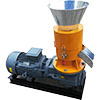
As demand for renewable energy continues to grow, many homeowners and small workshop operators are turning to wood pellet machines to produce fuel pellets from sawdust, wood shavings, and other biomass materials. However, before investing in a machine, understanding the price range and key purchasing considerations can help you avoid costly mistakes and choose equipment that meets your production needs.
How Much Does a Small Home Wood Pellet Machine Cost?
The price of a small household pellet machine varies depending on capacity, motor configuration, materials, and manufacturing quality.
Generally speaking:
- Entry-level machines: $500-$1,500
- Mid-range machines: $1,500-$5,000
- Advanced models with higher output: $5,000-$15,000+
While low-cost models may seem attractive, buyers should focus on performance, durability, and after-sales support rather than price alone. A well-built wood pellet machine can operate efficiently for years, reducing maintenance costs and production downtime.
Factors That Affect Pellet Machine Prices
1. Production Capacity
Capacity is one of the most important pricing factors.
Small home users may only require 50-200 kg/h output, while small businesses often need 300-800 kg/h or more. Higher-capacity machines typically feature stronger motors, larger dies, and more durable components.
When comparing equipment, pay attention to the actual capacity of the wood pellet mill rather than advertised maximum output.
2. Motor Type
Manufacturers usually offer:
- Electric motors
- Diesel engines
- PTO-driven systems
Electric models are ideal for home and workshop applications because they are easy to operate and maintain. Diesel-powered pellet mills can be useful in remote areas without stable electricity access.
3. Die and Roller Quality
The die and roller are the core components responsible for pellet formation.
High-quality alloy steel dies cost more initially but provide:
- Longer service life
- Better pellet quality
- Lower maintenance costs
- Higher production efficiency
Investing in superior die materials often delivers significant long-term savings.
Important Things to Consider Before Buying
Raw Material Compatibility
Not every pellet machine works effectively with all biomass materials.
Before purchasing, confirm the machine is suitable for:
- Sawdust
- Wood chips
- Wood shavings
- Agricultural residues
- Biomass waste
A professional biomass pellet machine should handle different materials while maintaining consistent pellet quality.
Moisture Requirements
Many new users overlook moisture control.
For best pelletizing results, raw material moisture content should generally remain between 10% and 15%. Excessive moisture can reduce production efficiency and pellet density.
If your materials are too wet, consider adding a drying system before the pelletizing process.
Energy Consumption
Energy efficiency directly affects operating costs.
A high-quality wood pellet manufacturing machine may have a higher purchase price but often consumes less electricity per ton of pellets produced.
Always compare power consumption data before making a final decision.
Evaluate After-Sales Service Carefully
Machine performance is important, but supplier reliability matters just as much.
Choose manufacturers that provide:
- Installation guidance
- Spare parts support
- Technical assistance
- Maintenance training
- Warranty coverage
Reliable after-sales service can dramatically reduce downtime and extend machine lifespan.
For buyers considering larger production in the future, working with an experienced pellet machine manufacturer also makes equipment upgrades easier.
Common Mistakes Buyers Should Avoid
Many first-time buyers make the following mistakes:
Choosing the Lowest Price
The cheapest machine is not always the most economical option. Poor-quality components can lead to frequent breakdowns and expensive repairs.
Ignoring Future Expansion
If you expect production demand to increase, selecting a slightly larger wood pellet production line component today may save money later.
Overlooking Maintenance Requirements
Every sawdust pellet machine requires regular lubrication, cleaning, and parts inspection. Understanding maintenance requirements before purchase helps avoid unexpected operating costs.
Final Thoughts
Purchasing a small home pellet machine is an investment that should balance budget, efficiency, and long-term reliability. Rather than focusing solely on the initial purchase price, evaluate production capacity, die quality, energy consumption, raw material compatibility, and supplier support.
A high-performance wood pellet machine, wood pellet mill, biomass pellet machine, sawdust pellet machine, and pellet machine manufacturer partnership can help you achieve stable pellet production and maximize your return on investment for years to come.