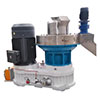
Investing in a wood pellet plant is a profitable opportunity as the demand for renewable energy and biomass fuel continues to grow worldwide. Understanding the wood pellet plant investment cost helps investors plan budgets and maximize returns.
The total cost of a pellet production facility depends on several factors, including production capacity, equipment configuration, raw material availability, and automation level. A small-scale project may require only a basic wood pellet mill, while a large industrial plant often includes crushers, dryers, pelletizers, coolers, and packaging systems.
When selecting a pellet production line, businesses should focus on equipment quality, energy efficiency, and long-term operating costs. Modern biomass pellet production lines can process wood chips, sawdust, and agricultural waste into high-density fuel pellets with excellent combustion performance.
Choosing the right wood pellet machine manufacturer is equally important. Reliable suppliers provide customized solutions, technical support, and installation services, helping reduce maintenance costs and improve production efficiency.
As global demand for sustainable fuel rises, investing in a high-quality wood pellet plant can deliver substantial long-term benefits and create new opportunities in the renewable energy market.